D915 – Derebaşı Turns
Why Ride It
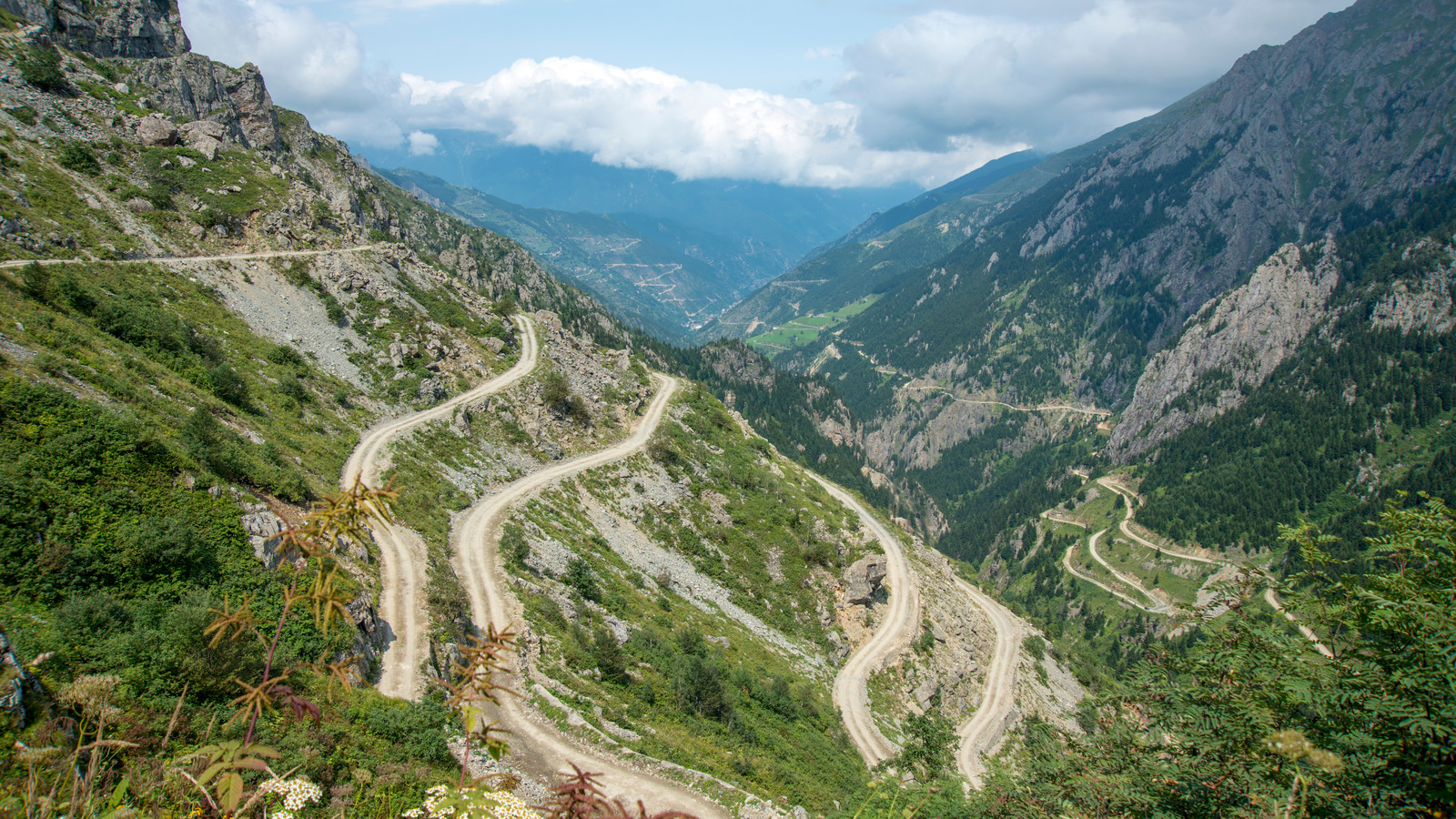
The D915 is one of the most extreme mountain roads in Turkey, cutting across the Pontic Mountains between the Black Sea coast and the highlands around Bayburt. The defining section is the legendary Derebaşı Turns, where 13 tight hairpins climb the mountainside in just 5.1 kilometres. The road reaches the high Soğanlı Pass at more than 2,300 metres, combining extreme terrain with a level of exposure rarely found on a paved mountain route.
On a motorcycle, the D915 demands concentration from the moment the road begins to climb. The surface becomes rougher and narrower as the route enters the mountains, while the combination of steep gradients, tight hairpins and exposed edges leaves very little room for mistakes. The famous Derebaşı section is particularly intense, with the 13 bends stacked tightly against the mountainside and gradients reported to reach around 17 percent.
What makes the route memorable is the contrast between the challenge of the road and the scale of the surrounding landscape. The higher you climb, the further the settled valleys disappear below, replaced by rugged mountain slopes, open alpine terrain and often rapidly changing weather. Unlike the polished mountain passes of the Alps, the D915 retains a raw character that makes the rider feel much more exposed to the terrain.
This is not a route for chasing an average speed or simply collecting another pass. The D915 rewards precision, patience and respect for the mountain — and that is exactly what makes it unforgettable.
Ride The Line
Good To Know
The D915 should only be attempted in suitable conditions and by experienced riders comfortable with narrow, steep and potentially rough mountain roads. Snow, fog, rain and landslides can make the route significantly more difficult, while winter conditions can close the high sections for extended periods. The famous Derebaşı section has limited or no protective barriers in places, and parts of the historic route can have loose or unpaved surfaces. Check current road conditions before departure and avoid the route in poor weather.
Picks
 Maintenance
Tire Repair Kit
A heavy-duty 86-piece tire repair kit designed for quick and reliable tubeless puncture repairs on the road. Packed with essential tools and…
View Product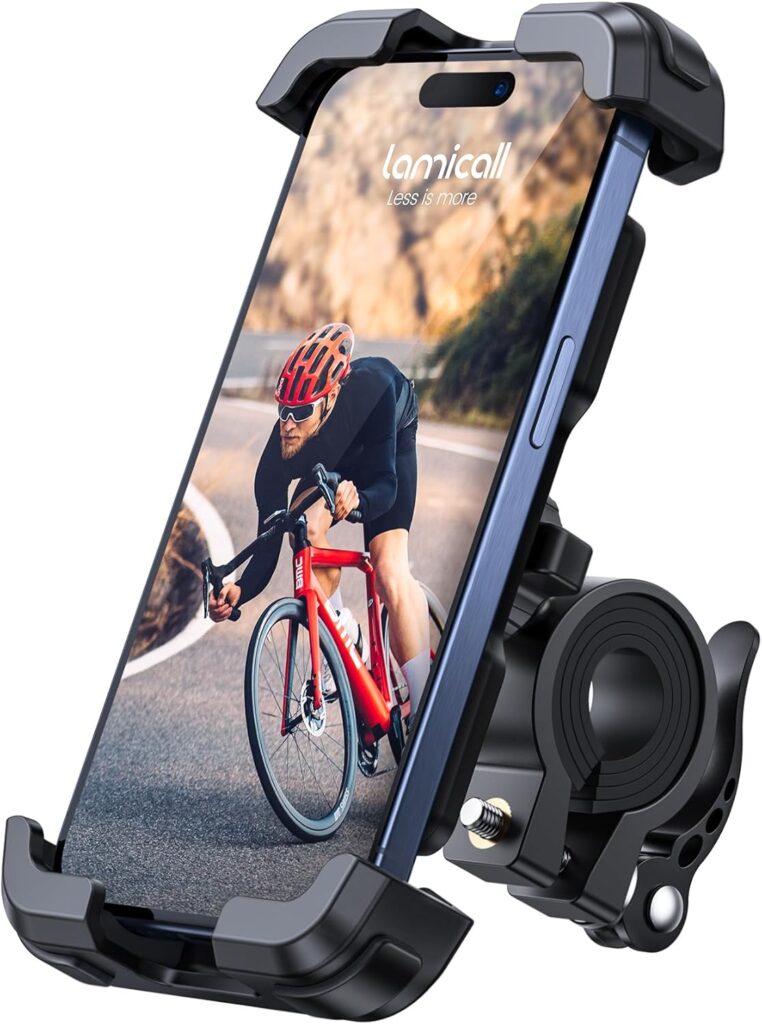 Navigation
Motorcycle Phone Mount
A sturdy and adjustable phone mount designed to keep your smartphone secure and accessible while riding. With a reliable handlebar grip and…
View Product Luggage
Motorcycle Magnetic Tank Bag
A compact and versatile magnetic tank bag designed to keep your essentials close at hand on the road. With durable Oxford fabric,…
View Product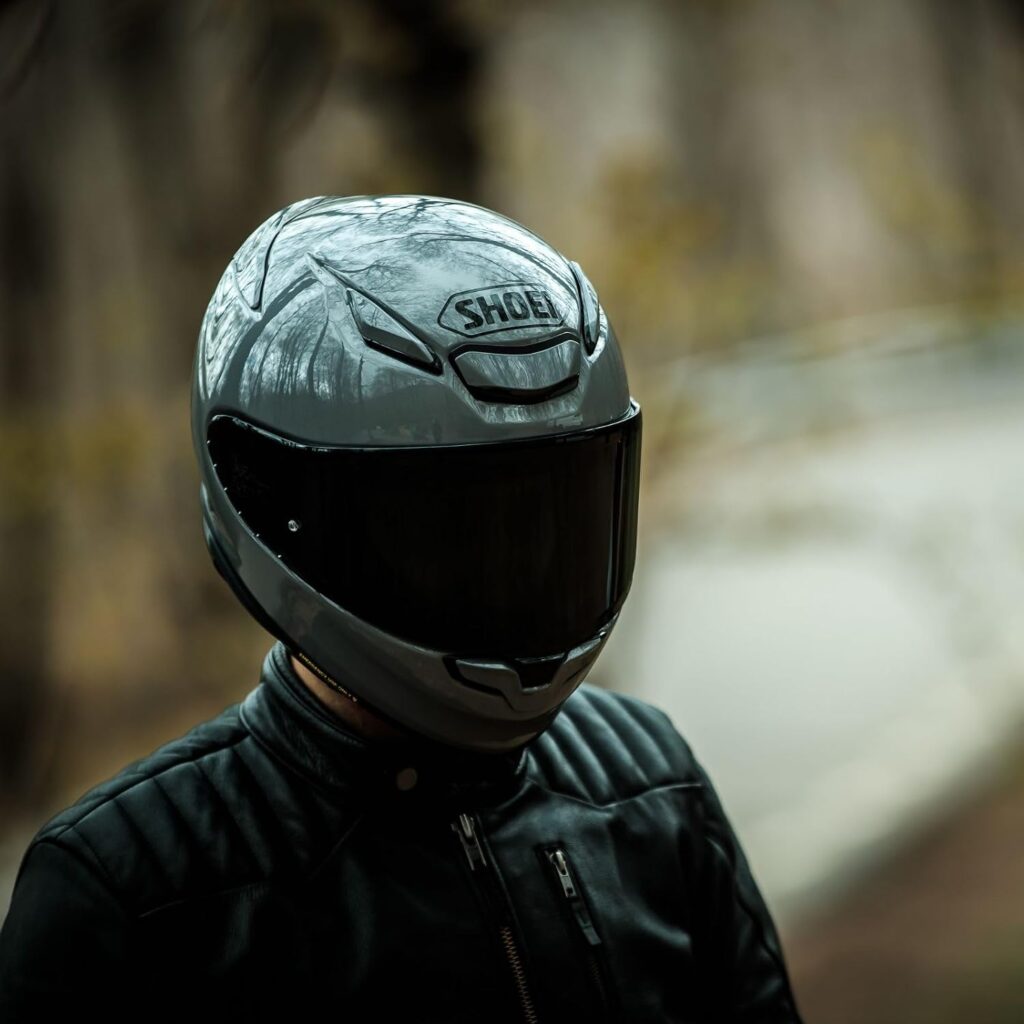 Riding Gear
Shoei RF-1400 Motorcycle Helmet
The SHOEI RF-1400 is a premium full-face motorcycle helmet combining excellent protection, aerodynamic performance and long-distance comfort. Its lightweight shell, advanced ventilation…
View ProductRoute Notes
The Ride Beyond route begins in Bayburt, heading north towards the Pontic Mountains. The landscape gradually changes from the open terrain around Bayburt into increasingly rugged mountain country as the road approaches the D915’s most famous section. The route eventually reaches the historic road climbing towards Soğanlı, where the character becomes considerably more demanding.
The defining section is the Derebaşı Turns, near Çaykara. Thirteen steep hairpins are concentrated into approximately 5.1 kilometres, climbing from around 1,712 metres towards the higher slopes of Soğanlı. The road is narrow, exposed and dramatically positioned above the valley, creating one of the most demanding sequences on the Ride Beyond network.
Beyond the hairpins, the route continues across the high mountain terrain towards the Soğanlı Pass, before descending through the northern side of the range. The landscape gradually becomes greener as the road approaches Çaykara, with the mountains giving way to the lush valleys of the eastern Black Sea region. From here, the route continues towards the coast and eventually joins the D010 for the final approach to Trabzon.
The D915 should be ridden as a mountain crossing rather than a challenge to conquer. Slow down, read the surface and give the landscape the attention it deserves — the road is difficult enough without trying to make it faster.